


Weekend Long Read: Don’t Let a Crisis Go to Waste
Only through a deep understanding of economic and financial crises can we resolve them and turn them into opportunities
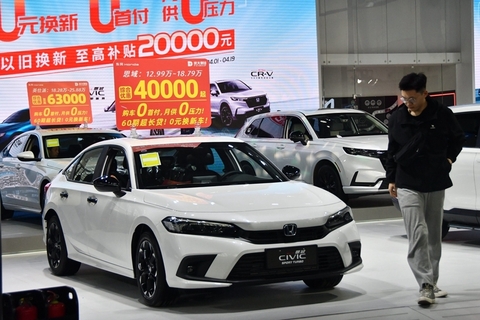
China Offers Subsidies for New EV and Low-Emission Gasoline Vehicle Trade-Ins
The old-for-new initiative will offer buyers up to 10,000 yuan from April 26 to the end of the year in a bid to spur sales after a slow early start to the year
Nio to Stick to Making Pure-Electric Cars, Despite Hybrid Hype
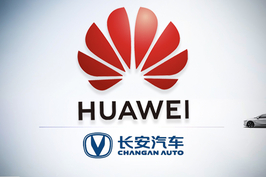
GAC Does U-Turn to Rekindle Smart Car Partnership With Huawei
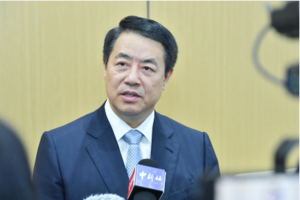
Four Delegates Ousted From China’s Top Legislature Amid Corruption Probes
The delegates include Han Shuwang, former chairman at the China Aerospace Investment Holding and Yang Xiaoming, former chief engineer of Sinopharm
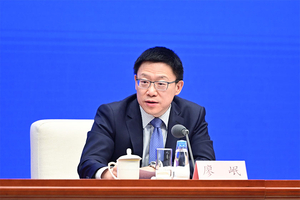
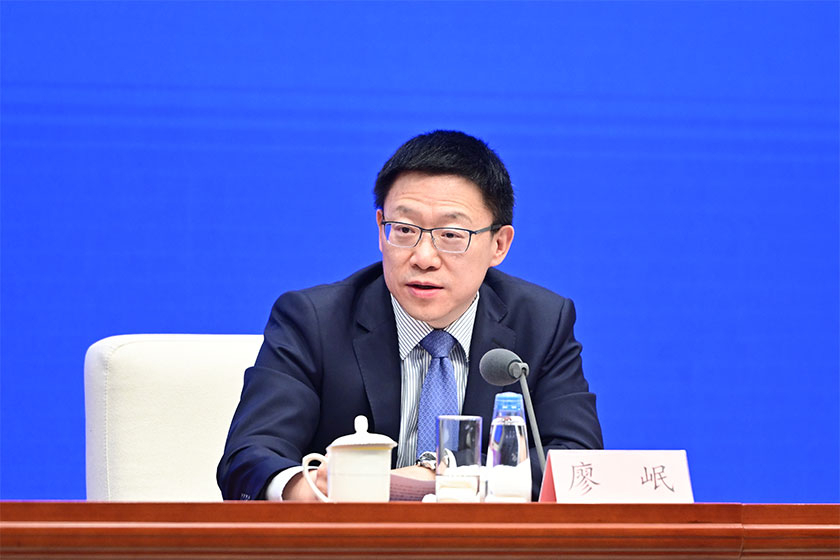
China to Evaluate Adjusting Share of State-Owned Capital in Finance Industry, Vice Minister Says
The comments by Liao Min came in response to concerns by the country's top legislature over the disproportionately large share in the banking sector
More Developers Face Debt Threats as Sales Continue Falling, S&P Says
Stress-tested developers could lack sufficient liquidity to meet debt repayments if property slump continues, warns rating agency

TikTok, ByteDance U.S. General Counsel to Exit Role
Erich Andersen will remain as ‘special counsel’ in a move that comes days after President Joe Biden signed into law a bill that threatens TikTok’s existence in the U.S.
Apr 27, 2024 05:28 PM
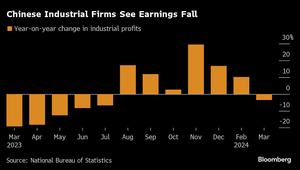
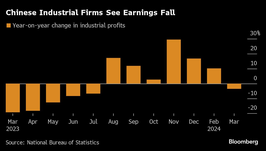
China Industrial Profits Drop as Demand From Overseas Stalls
Flagging exports and deflationary pressures persisted in March, suggesting the economy’s stronger-than-expected growth early this year might be tough to maintain
Apr 27, 2024 05:14 PM
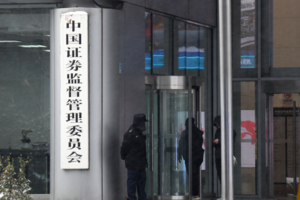
CSRC Toughens Restriction on Ex-Employees’ Investment
Ban on investing in pre-IPO companies extended to 10 years for former securities regulators and their families
Apr 27, 2024 05:09 AM
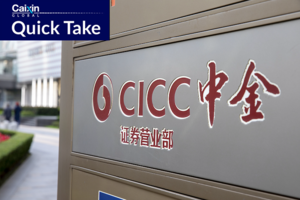
Top Investment Bank CICC Warned by Regulator for Compliance Flaws
CICC accused of breaking rules by hiring personnel not qualified to carry out securities business
Apr 27, 2024 05:03 AM
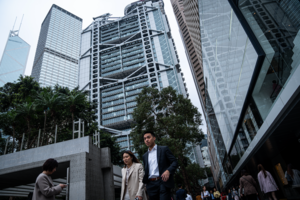
HSBC’s Private Bank Shuts IAM Business in HK, Singapore
The bank remains committed to providing solutions for single and multi-family offices, a spokesperson said
Apr 27, 2024 04:56 AM

EU Hits Fast-Fashion Giant Shein With New Digital Rules
Online retailer brought under scope of EU’s Digital Services Act aimed at stopping the spread of counterfeit items on its platform
Apr 27, 2024 04:51 AM

Air China Orders 100 Homegrown C919s in Attack on Plane Duopoly
Comac may well be emerging as a rival to Airbus SE and Boeing Co. which dominate the larger commercial airliner market
Apr 27, 2024 04:47 AM
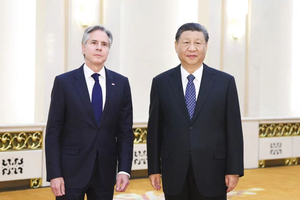
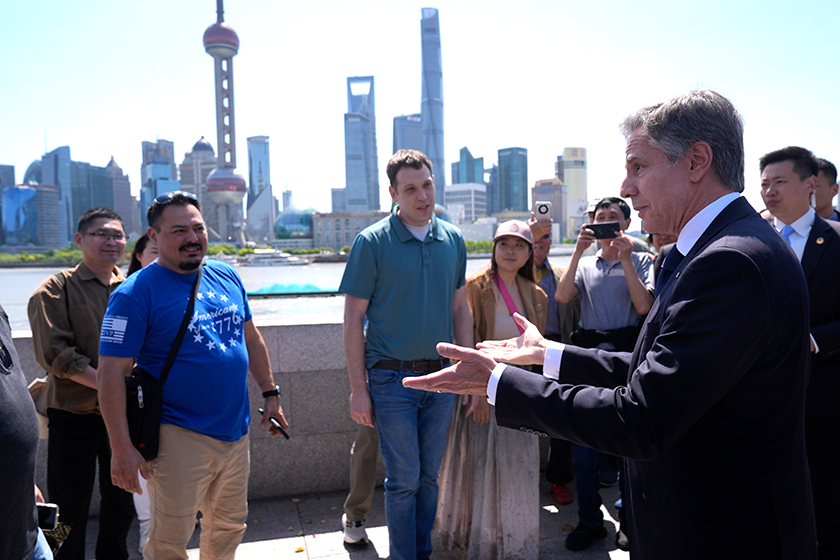
Xi Says China, U.S. Should Avoid ‘Vicious Competition’ In Meeting With Blinken
U.S. Secretary of State Antony Blinken met with the Chinese president, as well as Foreign Minister Wang Yi, on his second trip in less than a year
Apr 26, 2024 08:38 PM
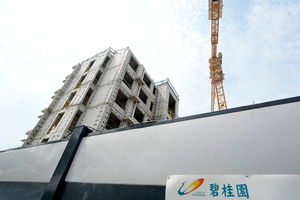
Country Garden Bondholders Agree to Extensions After Missed $22 Million Payment
A continued slump in sales leaves bondholders doubtful they'll get further payments despite the extension
Apr 26, 2024 05:47 PM
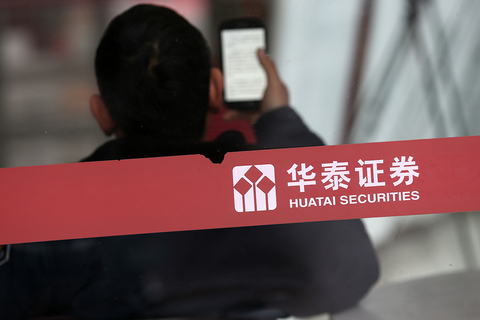
Huatai Securities Cashes Out of U.S.-Listed Unit With $796 Million Gain
Chinese brokerage announces sale of controlling stake in AssetMark to private equity firm GTCR for $1.79 billion
Apr 26, 2024 08:31 PM

Caixin Biz Roundup: China on Track to Become World’s Largest Luxury Market
Wind turbine exports surged 60% in 2023, nuclear power investment hits new high
Apr 26, 2024 07:26 PM
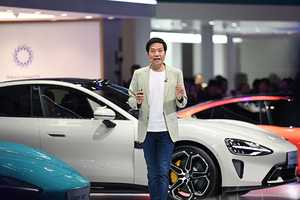
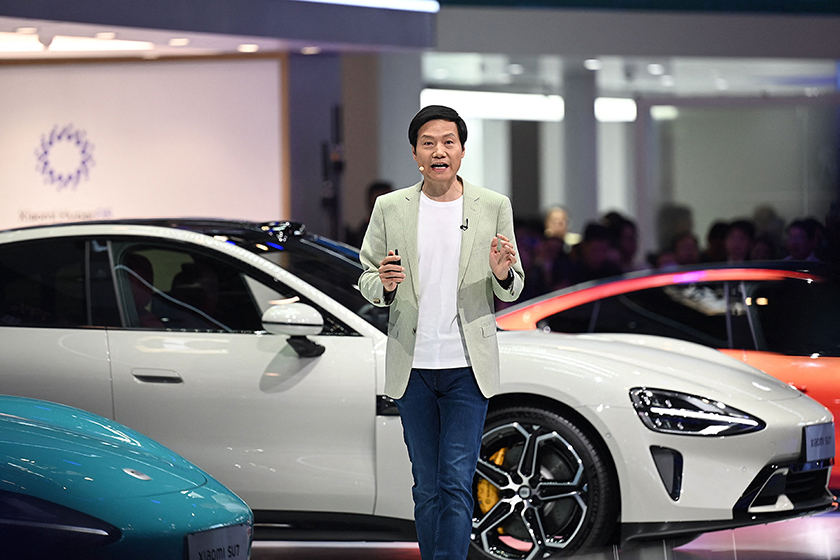
Gallery: Beijing Auto Show Returns
Some of China’s top auto executives broke out their best sport coats Thursday for the opening of the 2024 Beijing International Automotive Exhibition. It was the first time the auto show had been held since 2020. Carmakers debuted more than 100 new models and 41 concept cars at the event, which was held at the capital’s China International Exhibition Center. The event runs until May 4
Apr 26, 2024 07:23 PM
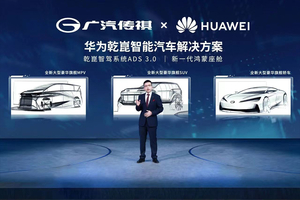
GAC Does U-Turn to Rekindle Smart Car Partnership With Huawei
The state-owned carmaker will use the company’s smart driving tech in vehicles under its Trumpchi brand, a year after the deal with another GAC brand was ditched
Apr 26, 2024 07:06 PM
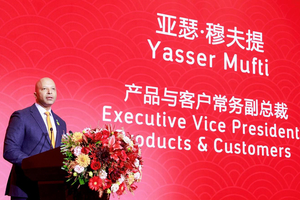
Aramco Is Only Going to Invest More in China, Executive Says
The Saudi oil colossus already holds stakes in four Chinese companies and is in talks to invest in several more
Apr 26, 2024 06:32 PM
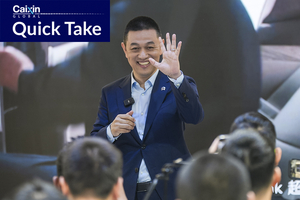
Nio to Stick to Making Pure-Electric Cars, Despite Hybrid Hype
Founder Li Bin predicts that, at some point, there will be a complete shift to entirely electric models in the Chinese market
Apr 26, 2024 06:28 PM
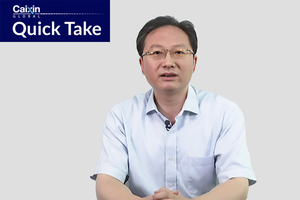
Senior Securities Regulator Under Corruption Probe
Yao Qian is director of the China Securities Regulatory Commission’s technology supervision department and IT service center
Apr 26, 2024 06:17 PM
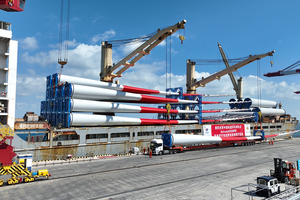
Energy Insider: Wind Turbine Exports Soar, Top Legislature to Review Draft Energy Law
Construction of Tesla Shanghai plant to begin, East China’s Changzhou aims to be ‘new energy capital,’ Chinese nuclear power generation hits 440 terawatt-hours
Apr 26, 2024 04:03 PM

- MOST POPULAR
- OPINION

- BLOG

- CAIXIN WEEKLY SNEAK PEEK
Al Translation BETA
- IN-DEPTH
- In Depth: Why China’s Project Whitelists Can’t Cure Real Estate Slump
- In Depth: Chinese Education Firms Learn Tough Lessons Overseas
- In Depth: How China’s Revision of Supervision Law Would Expand Legislative Oversight Powers
- In Depth: Fusion Sector Heats Up as China Pursues Next-Gen Nuclear Power
- In Depth: China’s Mammoth Effort to Help Foreigners Spend, Spend, Spend


























Download Caixin App by
Scan & Download Caixin App
-

 Available on App Store
-

 Get Android APP
Follow Us


Copyright © 2024 Caixin Global Limited. All Rights Reserved.

 Sign in with Google
 Sign in with Facebook
 Sign in with 财新
