

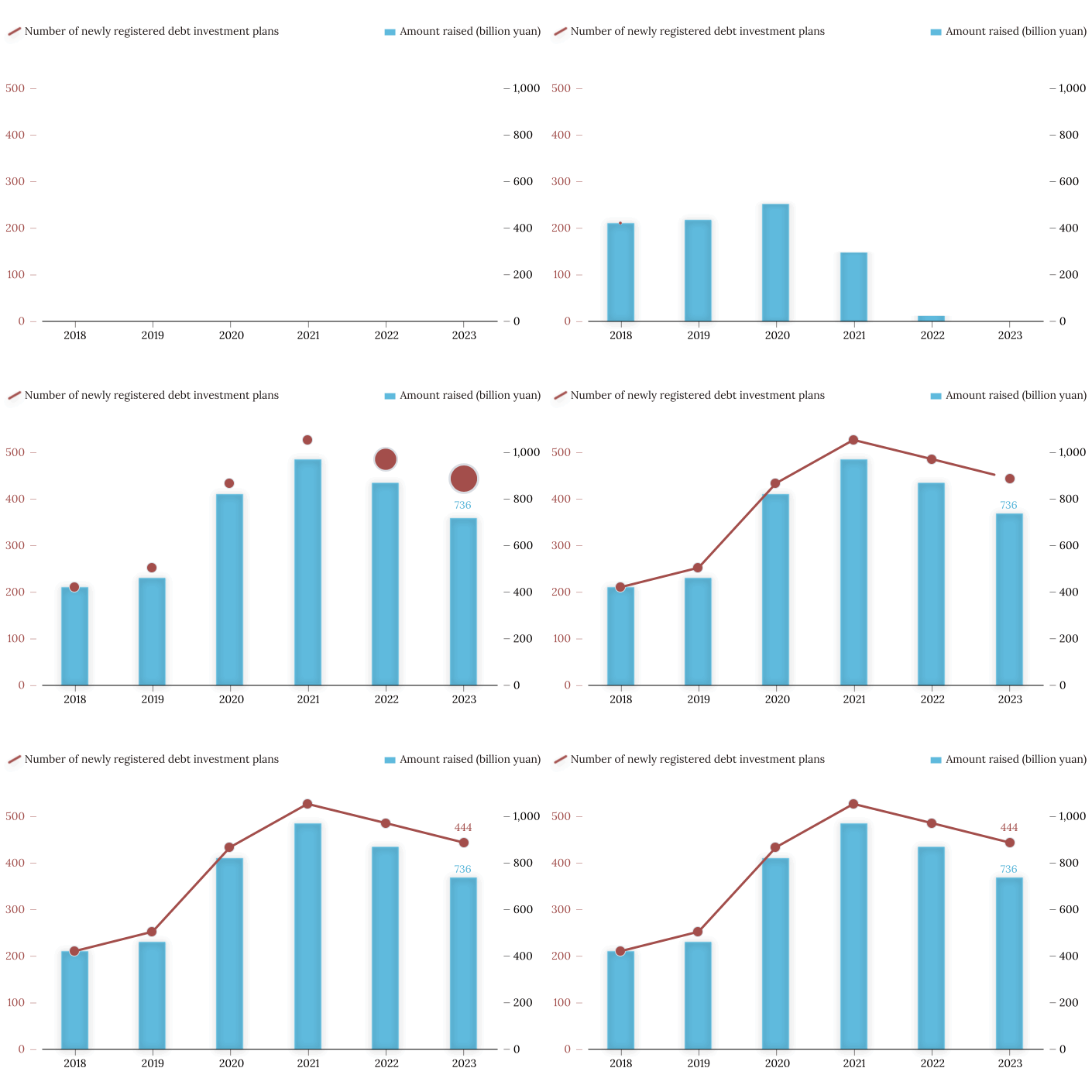
In Depth: China’s Insurers Scale Back High-Yield Investment
Long-running real estate crisis and increasing risks in local government debt make insurance asset managers more cautious about debt of developers and LGFVs

In Depth: Regulatory Titan Laura Cha Takes Final Bow
The 74-year-old’s career included stints at Hong Kong and Chinese mainland securities regulators and was packed with changes and challenges
HKEX Appoints Former Regulator Carlson Tong as New Chairman
Veteran accountant with deep ties to HKEX to succeed Laura Cha who steps down after six years
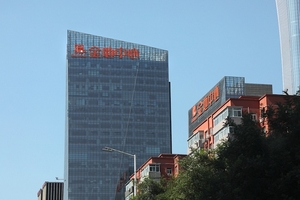
Gemdale’s Board Reshuffle Gives Largest Shareholder More Control
FunDe takes three seats on 11-member board while promising to inject resources
Troubled Developer Jinke Gets Nod for Bankruptcy Restructuring
Chongqing property giant is first to be given court clearance to start bankruptcy reorganization

Hang Lung’s Outgoing Chairman Warns Hong Kong Against Overreliance on Real Estate
It's ‘relatively dangerous’ that the city has depended on property as an economic pillar for so long, Ronnie Chan says
Apr 25, 2024 07:51 PM

Ping An Trust Wins Court Ruling, Forcing Troubled Developers to Repay Funds
A Shenzhen court has ordered two subsidiaries of debt-laden builder Zhenro Properties to repay $106.6 million, which the trust firm needs to make missed payments to investors
Apr 25, 2024 07:38 PM

Bank of China Ex-Chairman Pleads Guilty to Taking Over $16 Million in Bribes
Liu stands accused of accepting money in exchange for helping companies and individuals secure loans, jobs and project contracts from 2010 to 2023
Apr 25, 2024 07:33 PM

Gallery: Blinken’s Back
U.S. Secretary of State Antony Blinken arrived in Shanghai Wednesday on a three-day visit to China. This is his second trip to the country in less than a year, following a visit in June, and comes on the heels of Treasury Secretary Janet Yellen’s trip earlier in April. While in Shanghai, Blinken met with the city’s party secretary Chen Jining, visited various sites including the Bund, where he spoke with American tourists, and watched a local basketball game. He will wrap up his visit in Beijing, where he is set to meet Foreign Minister Wang Yi
Apr 25, 2024 07:20 PM
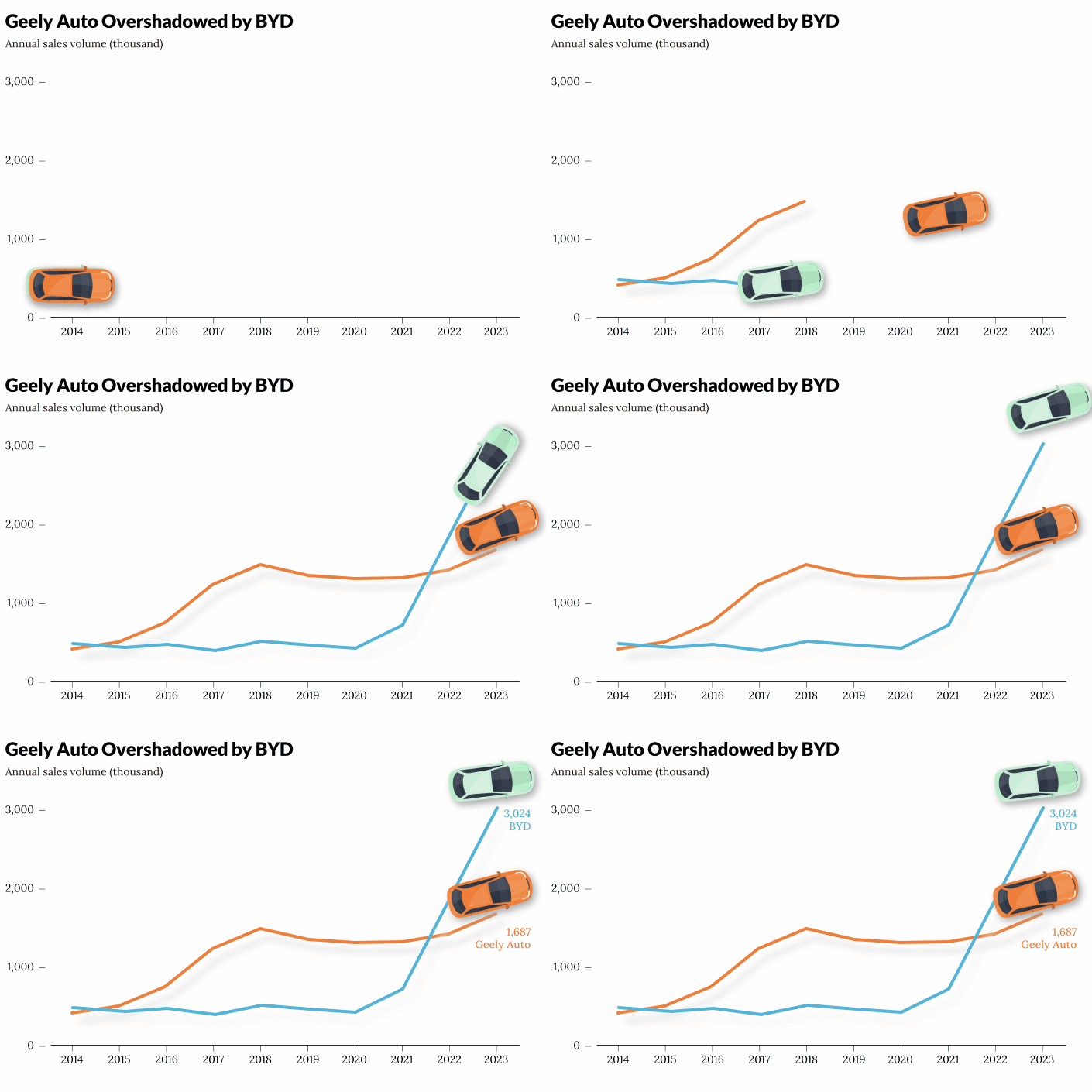
In Depth: Geely Auto Comeback Gets Into Gear as EV Sales Soar
After two years chasing EV-maker BYD, the legacy car manufacturer took the lead in January, selling more than 210,000 vehicles including around 65,000 electric cars
Apr 25, 2024 07:13 PM

Weekly Must-Read: Why China’s Project Whitelists Can’t Cure Real Estate Slump
Although the lists are helping many developers secure financing to finish their projects, there may not be enough demand for new homes to soak up the extra supply, bankers warn
Apr 25, 2024 06:57 PM

Commentary: City’s Gas Debacle Shows How Government Credibility Is Fragile
At a time of economic uncertainty, the authorities should not leave the public guessing
Apr 25, 2024 05:16 PM
TSMC Aims to Produce Ultra-Advanced 1.6-Nanometer Chips by 2026
Unveiling its A16 technology, the Taiwan firm says the introduction of 1.6-nanometer chipmaking can ‘greatly improve’ logic chip density and performance
Apr 25, 2024 04:55 PM
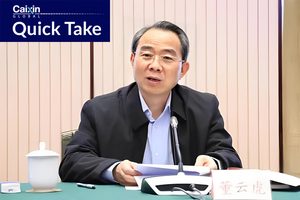
Former Head of Shanghai Legislature Charged With Bribery
Prosecutors accused Dong Yunhu of taking advantage of his positions to hand out favors
Apr 25, 2024 03:54 PM
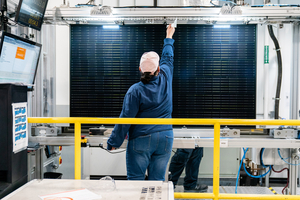
U.S. Solar Companies Seek Additional Tariffs on Panel Imports From Asia
Seven panel-makers and polysilicon producers seek help to counteract what they say are unfair practices by overseas rivals
Apr 25, 2024 03:37 PM

Shanghai Composite Index Rose 0.27% on Thursday
Shenzhen Component Index closed up 0.14%
Apr 25, 2024 03:03 PM

China 2024 Growth Outlook Rises to 4.8%, but Deflation Risk Lingers
Analysts upgraded their GDP forecasts for the year after the first-quarter figure came in better than expected
Apr 25, 2024 01:58 PM

Daily Tech Roundup: Huawei Smartphone Shipments Surge, China Limits Facial Recognition at Hotel Check-In
Beijing approves U.S. listing for self-driving firm in sign of easing, Google-backed AI specialist is Hong Kong’s latest IPO flop
Apr 25, 2024 01:56 PM
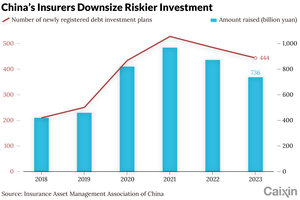
CX Daily: China’s Insurers Scale Back High-Yield Investment
China begins to limit use of facial recognition for hotel check-ins. Chinese mainlanders flock to Hong Kong’s wealth management market. Plus, LVMH remains committed to China
Apr 25, 2024 07:42 AM

Canton Fair Sees Surge in Orders as Global Market Recovers from Pandemic
Optimism as export orders grow at Canton Fair but fierce price war means profit margins are being squeezed
Apr 25, 2024 04:52 AM
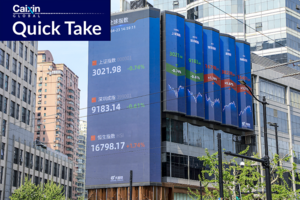
China’s Sovereign Fund Poured $45 Billion into Stock Market in First Quarter
Rise in loans from non-banking financial institutions suggest they are linked to market stabilization measures, say analysts
Apr 25, 2024 04:04 AM

China Approves U.S. Listing for Self-Driving Firm in Easing Sign
Pony.ai’s IPO will be one of the first in New York ending a two-year hiatus after controversy over Didi Global’s U.S, share offering
Apr 25, 2024 03:25 AM


- MOST POPULAR
- OPINION

- BLOG

- CAIXIN WEEKLY SNEAK PEEK
Al Translation BETA

- IN-DEPTH
- In Depth: Why China’s Project Whitelists Can’t Cure Real Estate Slump
- In Depth: Chinese Education Firms Learn Tough Lessons Overseas
- In Depth: How China’s Revision of Supervision Law Would Expand Legislative Oversight Powers
- In Depth: Fusion Sector Heats Up as China Pursues Next-Gen Nuclear Power
- In Depth: China’s Mammoth Effort to Help Foreigners Spend, Spend, Spend







































Download Caixin App by
Scan & Download Caixin App
-

 Available on App Store
-

 Get Android APP
Follow Us


Copyright © 2024 Caixin Global Limited. All Rights Reserved.

 Sign in with Google
 Sign in with Facebook
 Sign in with 财新
