

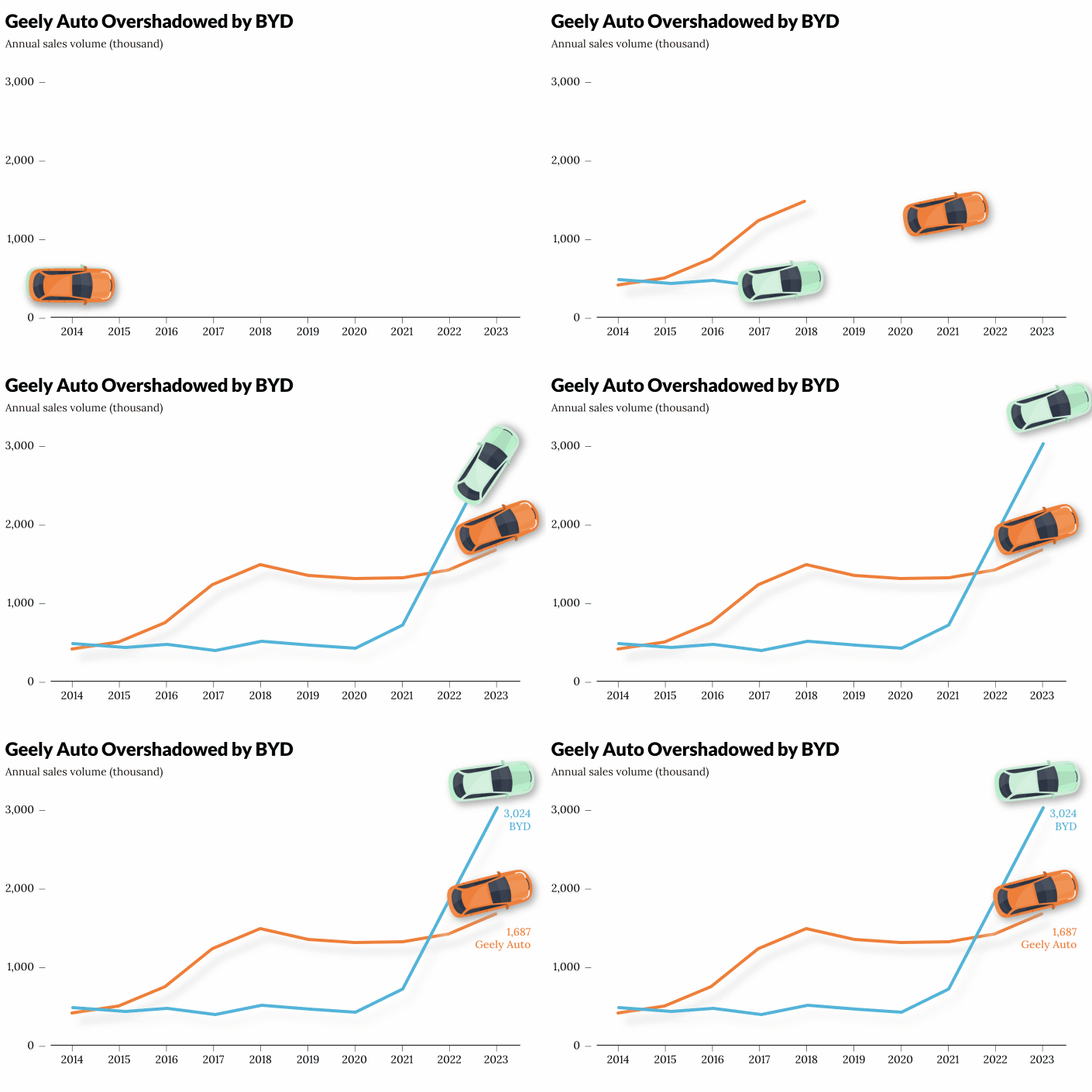
In Depth: Geely Auto Comeback Gets Into Gear as EV Sales Soar
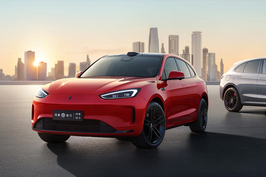
After two years chasing EV-maker BYD, the legacy car manufacturer took the lead in January, selling more than 210,000 vehicles including around 65,000 electric cars
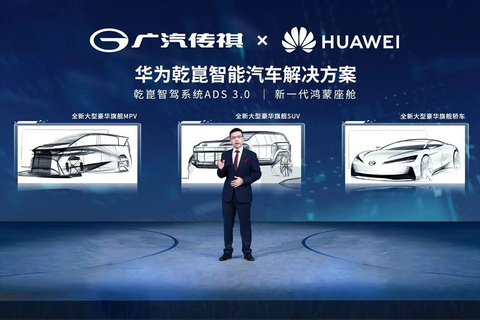
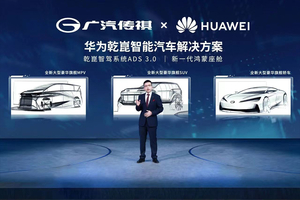
GAC Does U-Turn to Rekindle Smart Car Partnership With Huawei
The state-owned carmaker will use the company’s smart driving tech in vehicles under its Trumpchi brand, a year after the deal with another GAC brand was ditched
Huawei Relaunch S7 With Cheaper Prices, Upgraded Specifications
Chart of the Day: Huawei’s EV Brand Tops Upstart Pack for Third Month
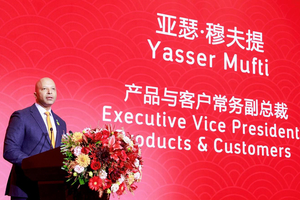
Aramco Is Only Going to Invest More in China, Executive Says
The Saudi oil colossus already holds stakes in four Chinese companies and is in talks to invest in several more
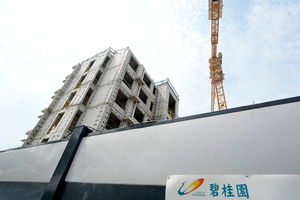
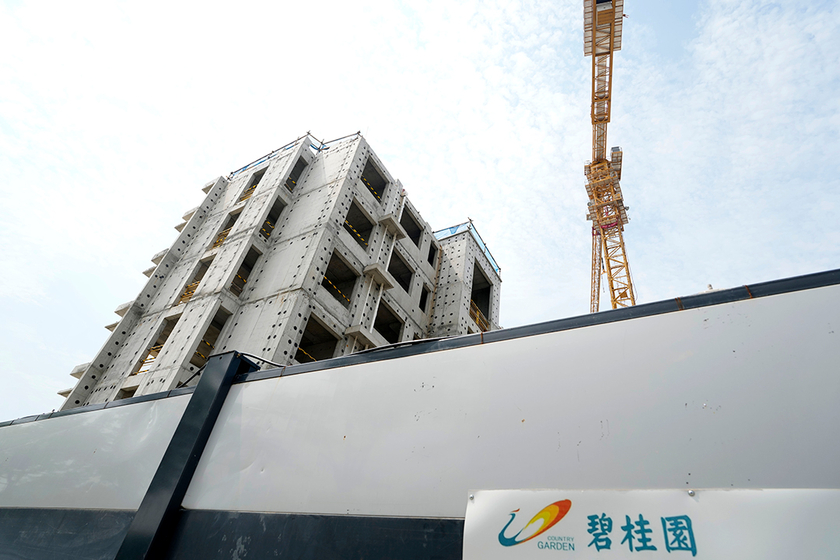
Country Garden Bondholders Agree to Extensions After Missed $22 Million Payment
A continued slump in sales leaves bondholders doubtful they'll get further payments despite the extension
Huatai Securities Cashes Out of U.S.-Listed Unit With $796 Million Gain
Chinese brokerage announces sale of controlling stake in AssetMark to private equity firm GTCR for $1.79 billion
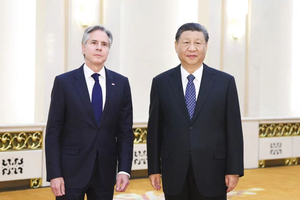
Xi Says China, U.S. Should Avoid ‘Vicious Competition’ In Meeting With Blinken
U.S. Secretary of State Antony Blinken met with the Chinese president, as well as Foreign Minister Wang Yi, on his second trip in less than a year
Apr 26, 2024 08:38 PM

Caixin Biz Roundup: China on Track to Become World’s Largest Luxury Market
Wind turbine exports surged 60% in 2023, nuclear power investment hits new high
Apr 26, 2024 07:26 PM
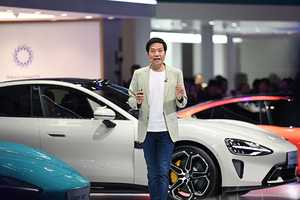
Gallery: Beijing Auto Show Returns
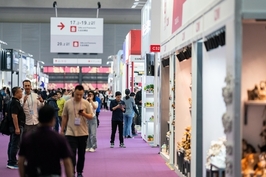
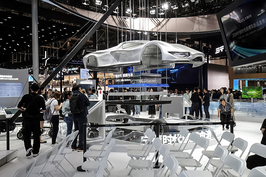
Some of China’s top auto executives broke out their best sport coats Thursday for the opening of the 2024 Beijing International Automotive Exhibition. It was the first time the auto show had been held since 2020. Carmakers debuted more than 100 new models and 41 concept cars at the event, which was held at the capital’s China International Exhibition Center. The event runs until May 4
Apr 26, 2024 07:23 PM
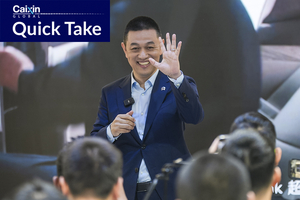
Nio to Stick to Making Pure-Electric Cars, Despite Hybrid Hype
Founder Li Bin predicts that, at some point, there will be a complete shift to entirely electric models in the Chinese market
Apr 26, 2024 06:28 PM
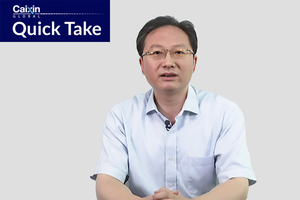
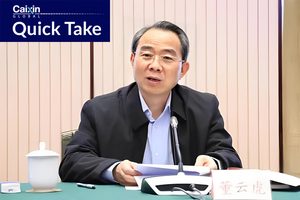
Senior Securities Regulator Under Corruption Probe
Yao Qian is director of the China Securities Regulatory Commission’s technology supervision department and IT service center
Apr 26, 2024 06:17 PM
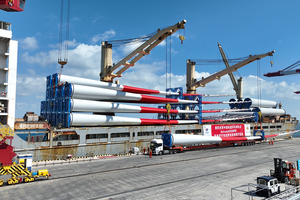
Energy Insider: Wind Turbine Exports Soar, Top Legislature to Review Draft Energy Law
Construction of Tesla Shanghai plant to begin, East China’s Changzhou aims to be ‘new energy capital,’ Chinese nuclear power generation hits 440 terawatt-hours
Apr 26, 2024 04:03 PM
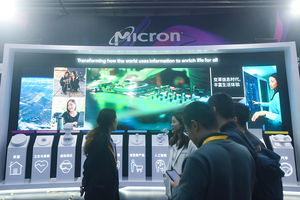
Singapore Chipmakers See Growth Wave Amid Generative AI Boom
The Southeast Asian country is poised to become a critical supplier and processing node for semiconductors that can handle the technology’s vast computing and memory needs
Apr 26, 2024 03:44 PM

Commentary: We Need to Restart the Economic Growth Engine — but This Time, It Must Work for All
New ways of measuring growth, reviving global north-south collaboration and investing in the foundations of future prosperity are key to reducing inequality
Apr 26, 2024 03:44 PM

Shanghai Composite Index Rose 1.17% on Friday
Shenzhen Component Index closed up 2.15%
Apr 26, 2024 03:03 PM
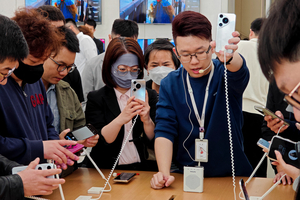
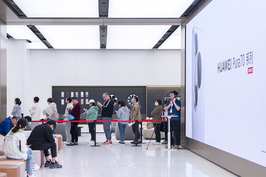
Huawei’s New Phone Sports Latest Version of Made-in-China Chip
The Pura 70 series uses the Kirin 9010 processor — a newer version of the controversial 7-nanometer chip produced by SMIC for Huawei last year
Apr 26, 2024 01:33 PM

Tor Investment Raises $310 Million for Asia Private Credit Fund
The spillover from China’s property crisis is creating opportunities across Asia, with demand for financing emerging in data centers, logistics and renewables, co-founder says
Apr 26, 2024 01:31 PM
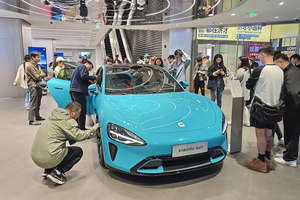
Daily Tech Roundup: Xiaomi Sees Annual Car Deliveries Hitting 100,000, Geely Auto’s Comeback Gets Into Gear
TikTok promises to fight on in face of U.S. ban threat, BYD-backed Horizon unveils next-gen auto chips
Apr 26, 2024 01:23 PM
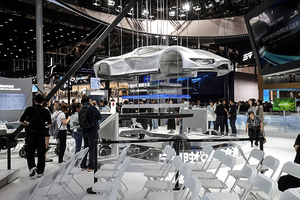
Battery Giant CATL’s Newest Pack Can Power Cars Even Further
The industry leader says its Shenxing Plus can power a car up to 370 miles on a 10-minute charge
Apr 26, 2024 01:22 PM
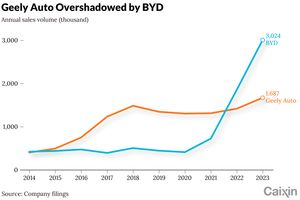
CX Daily: Geely Auto Comeback Gets Into Gear as EV Sales Soar
HKEX appoints Carlson Tong as its new chairman. Shanghai’s prime office vacancies hit near 20-year high. Plus, Bank of China ex-chairman pleads guilty to taking over $16 million in bribes
Apr 26, 2024 07:34 AM
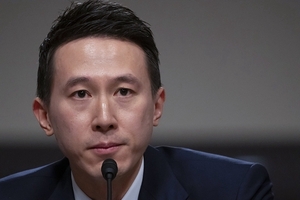
TikTok Vows to Fight On as New Law Threatens Ban Unless ByteDance Sells
Shou Zi Chew, TikTok’s chief executive, urges users to share their stories about how important the app is to their lives
Apr 26, 2024 04:14 AM
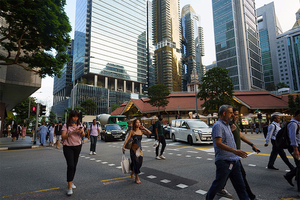
Workplace Flexibility on Rise as Singapore Pushes for Four-Day Week
Singapore lets workers ask for a four-day work or work-from-home days under new working guidelines
Apr 26, 2024 04:11 AM
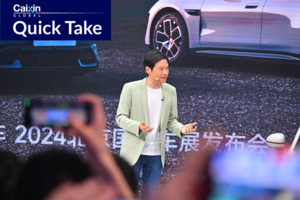
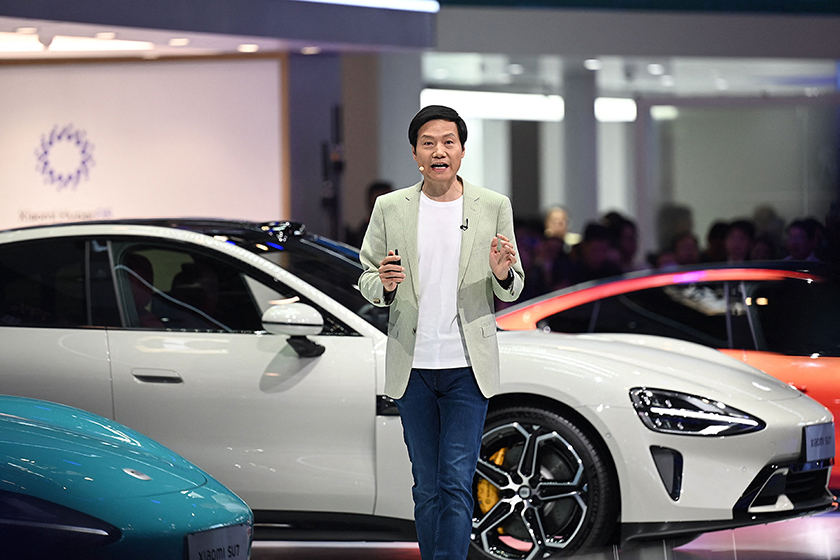
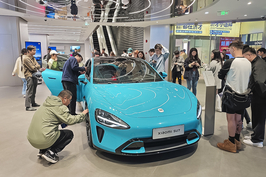
Xiaomi Expects Annual Car Delivery to Reach 100,000
SU7, Xiaomi’s electric vehicle, secured more than 75,700 orders in the 28 days since its launch
Apr 26, 2024 04:05 AM

- MOST POPULAR
- OPINION

- BLOG

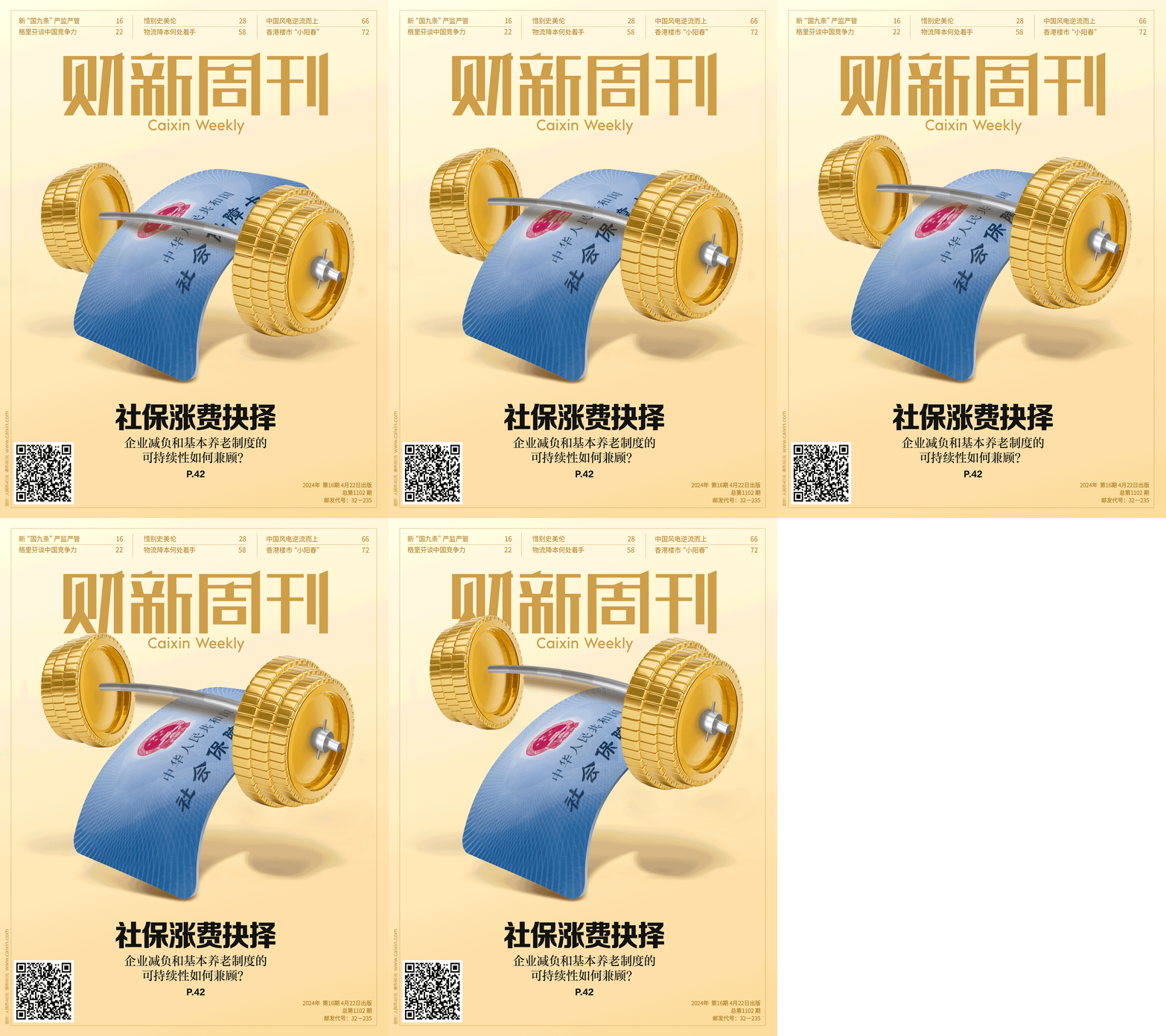
- CAIXIN WEEKLY SNEAK PEEK
Al Translation BETA
- IN-DEPTH
- In Depth: Why China’s Project Whitelists Can’t Cure Real Estate Slump
- In Depth: Chinese Education Firms Learn Tough Lessons Overseas
- In Depth: How China’s Revision of Supervision Law Would Expand Legislative Oversight Powers
- In Depth: Fusion Sector Heats Up as China Pursues Next-Gen Nuclear Power
- In Depth: China’s Mammoth Effort to Help Foreigners Spend, Spend, Spend





























Download Caixin App by
Scan & Download Caixin App
-

 Available on App Store
-

 Get Android APP
Follow Us


Copyright © 2024 Caixin Global Limited. All Rights Reserved.

 Sign in with Google
 Sign in with Facebook
 Sign in with 财新
